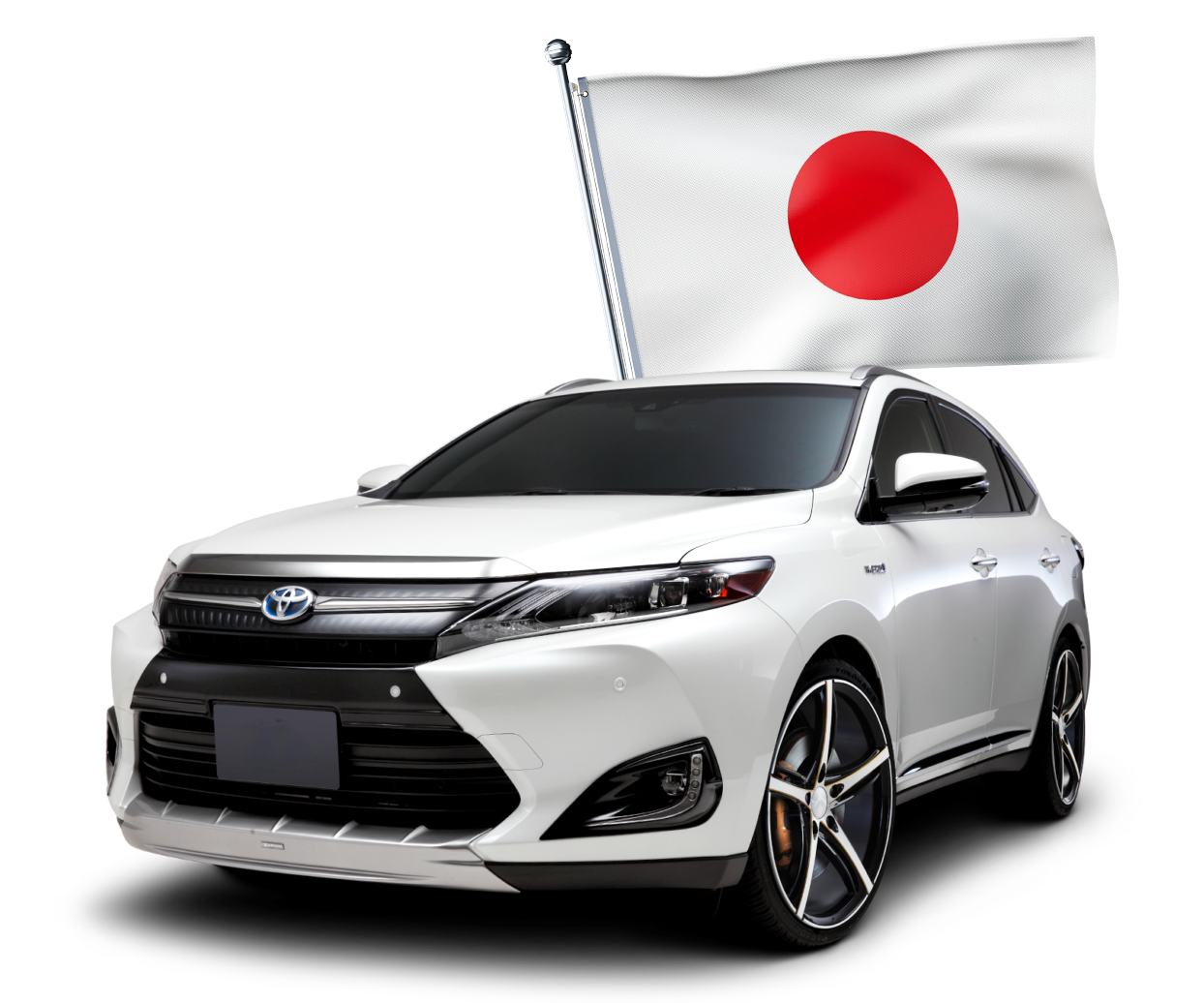
Buying a car from Japan: what you need to know before making your choice
Cars from Japan have long been regarded as some of the most reliable and well-maintained on the market. However, before buying one, it is important to understand the key points to avoid any unpleasant surprises.
🇯🇵 Why do people choose cars from Japan?
The Japanese market is attractive for several reasons:
- a high standard of car servicing
- good-quality roads and fuel
- strict vehicle inspections (Shaken)
- fair auction systems
As a result, even second-hand cars are often in excellent condition.
🔍 1. The auction list — the main document
Virtually all cars from Japan are sold at auction.
The auction list contains:
- actual mileage
- a condition rating (usually from 0 to 5)
- damage diagram
- expert commentary
👉 Важно:
- A rating of 4–4.5 is a good option
- 3.5 and below — there are already noticeable issues
- Check the translation of the comments (they often contain important details)
🔢 2. Check by VIN / chassis number
In Japan, the chassis number is often used instead of the standard VIN.
What you need to check:
- registration history
- involvement in a road traffic accident
- the existence of restrictions
- compliance with the auction sheet
👉 This will protect you from counterfeits and tampered odometer readings.
🚗 3. Mileage — why it’s usually accurate
In Japan, it is difficult to ‘fudge’ the odometer reading because:
- regular vehicle inspections
- rigorous record-keeping
- transparent sales via auctions
But:
👉 Always check the details of the auction and the documents
⚙️ 4. Contents and features
Японские версии автомобилей могут отличаться от европейских:
- Steering wheel on the right
- multimedia in Japanese
- other radio frequencies
- Sometimes the seat heating does not work
👉 Make sure this configuration is right for you.
🌍 5. Expenses other than the purchase
The price at auction is not the final price.
In addition:
- delivery (by sea)
- customs clearance
- certification
- registration
👉 The final price may increase by 20–50%
🧰 6. Bodywork condition and corrosion
Although the climate in Japan is milder, it is worth bearing in mind that:
- Cars from coastal regions may show signs of corrosion
- There may be hidden damage
👉 Be sure to check the auction damage chart.
🏢 7. A reliable intermediary is the key to success
If you are purchasing through a company:
- Check the reviews
- Please clarify the commission structure
- Ask for a full report on the car
👉 A good broker is half the battle when it comes to a successful deal.
🚨 8. Checking for recalls
Even Japanese cars may be subject to service campaigns.
👉 Before you buy:
- Check the car using its chassis number
- Please ensure that all reviews have been removed
This has a direct impact on safety.
📅 When is the best time to buy?
There are times when you can get a better deal:
- the end of the financial year in Japan (March)
- model refresh cycles
- after the holidays
👉 There are more offers and lower prices at this time of year.
⚖️ Result
Buying a car from Japan is a great way to get a reliable car at a good price.
But here's the important thing:
- check the auction list
- to analyse history
- take into account all additional costs
- work with trusted intermediaries
👉 Take care when buying a car — and you’ll end up with one that will last for many years.
